How to Choose the Best Puffed Food Packaging Bags?
The global market for puffed food packaging bags is witnessing significant growth. According to a recent industry report, the demand for flexible packaging solutions has increased by over 15% in the last three years. Puffed Food Packaging Bags play a crucial role in preserving product freshness and extending shelf life. These bags are designed to protect snacks from moisture and air, essential for maintaining quality.
Manufacturers now prioritize sustainability, aiming to use eco-friendly materials. A striking 40% of consumers prefer products packaged in recyclable materials. This trend highlights the importance of making informed choices when selecting packaging options. However, brands often overlook the nuance of choosing the right materials, which can result in wasted resources.
Effective packaging also involves considering consumer convenience. Easy-to-open features and resealable designs are increasingly required. Yet, it's common for companies to underestimate these needs. By aligning product design with consumer expectations, brands can enhance the overall experience. Investing time in understanding Puffed Food Packaging Bags can lead to better decisions and improved customer satisfaction.
Understanding the Importance of Puffed Food Packaging Bags
Puffed food packaging bags play a crucial role in ensuring product freshness.
They protect snacks from moisture and air. This preservation helps maintain flavor and crunchiness.
The right packaging also attracts consumers. Eye-catching designs can increase sales.
When choosing packaging, consider the material. Some bags are made with multi-layer films. These provide better protection.
Think about the size too. The packaging should fit well, not too loose or tight.
A good fit reduces the risk of damage during shipping.
Tips: Use matte finishes for a premium look.
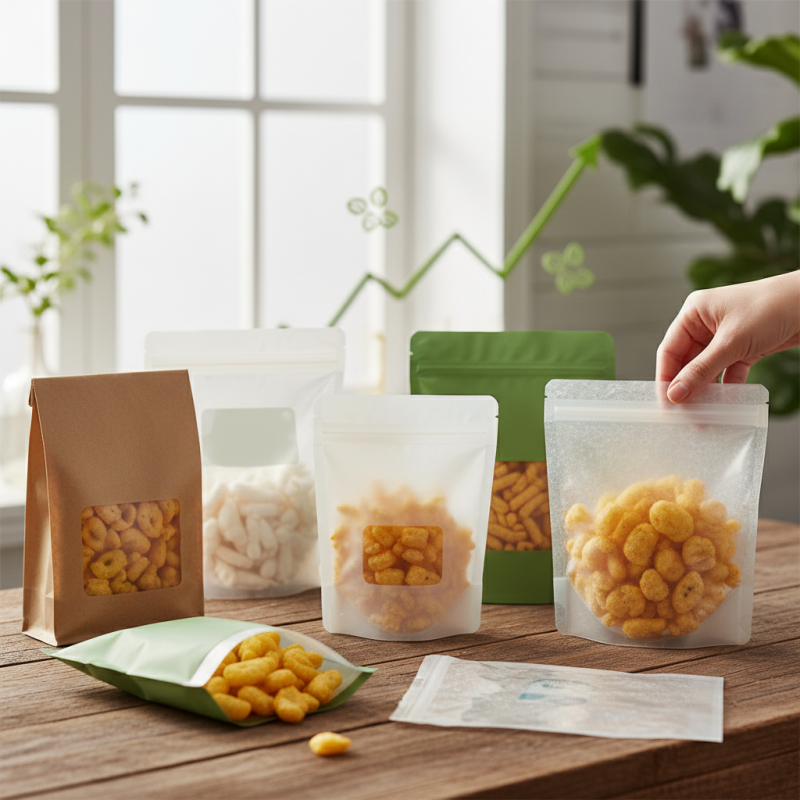
Transparent windows allow customers to see the product. Keep the design simple but effective.
Look for eco-friendly options when possible. Not all companies offer this; some are just focusing on the cost.
It's a balance that needs reflection.
Key Features to Consider When Choosing Puffed Food Packaging Bags
When selecting puffed food packaging bags, several key features should be at the forefront of your decision-making. One of the most critical aspects is material. The right material ensures freshness and prevents spoilage. According to a recent industry report, around 45% of spoiled snacks are due to inadequate packaging. Consider bags made of multi-layer films. These films offer excellent barrier properties against moisture and oxygen.
Another important feature is the bag's sealing method. A strong seal is essential to maintain quality. A study showed that packaging with better seals can extend shelf life by 30%. Look for options that utilize heat sealing technology. This method is reliable and effective in creating a tight seal.
Size is also crucial. Packaging that fits products well prevents unnecessary movement. According to a survey, more than 55% of consumers prefer packages that suit portion sizes. In contrast, oversized bags can lead to waste. Evaluate your product dimensions carefully to find the right fit. This attention to detail can significantly enhance the customer experience. It's clear that making informed choices in these areas can shape both the product's longevity and consumer satisfaction.
Key Features of Puffed Food Packaging Bags
Materials Used in Puffed Food Packaging: Pros and Cons
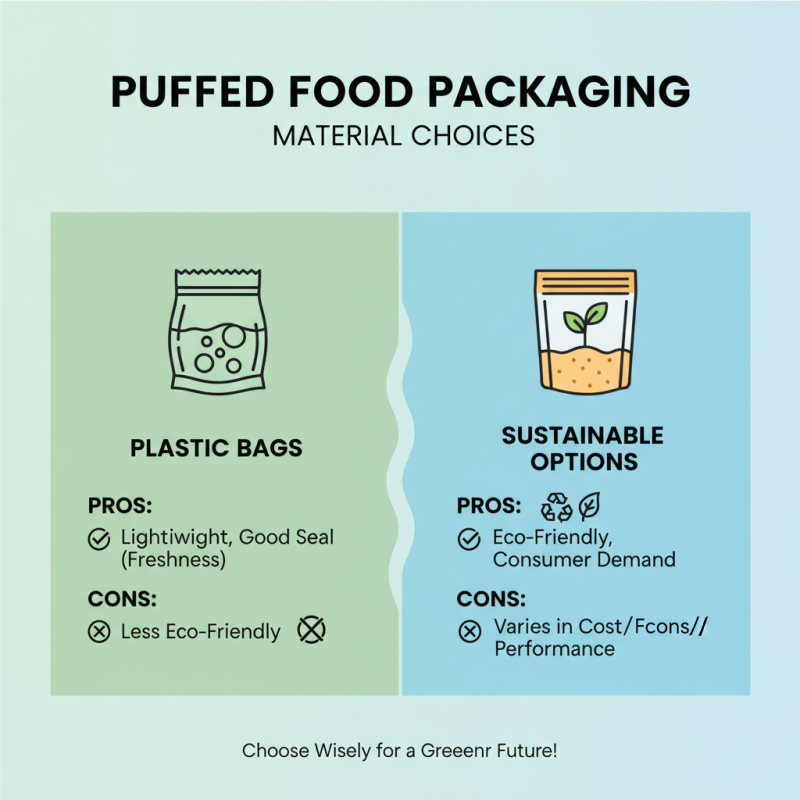
When selecting materials for puffed food packaging, several options exist. Each material has its advantages and disadvantages. For instance, plastic bags are common. They are lightweight and seal well, which helps preserve freshness. However, plastic can be less eco-friendly. Many consumers today seek sustainable choices.
Another option is paper. It offers a biodegradable alternative. Paper can be printed on easily, providing attractive designs. But it may not provide the same barrier against moisture as plastic. This could affect the product’s shelf life.
Foil bags are also popular. They prevent light and moisture from getting in. This maintains food quality over time. Nonetheless, foil bags can be more expensive. Some consumers question their recyclability. Each material has trade-offs. It’s essential to weigh these factors when making your choice.
Evaluating the Size and Shape of Puffed Food Packaging Bags
When evaluating the size and shape of puffed food packaging bags, it’s essential to prioritize functionality. The right dimensions can significantly affect the product's performance. According to recent industry reports, improper sizing can lead to product damage during transport. A bag that is too large may cause shifting, while too tight can lead to crush damage.
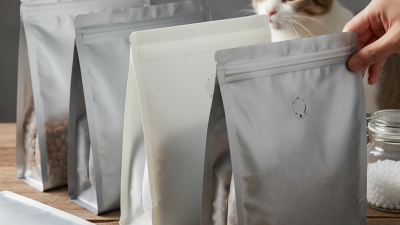
Shapes matter too. Flat pouches can save space but may not offer the same protection as stand-up bags. Stand-up designs allow for better visibility and can showcase the product. Around 30% of consumers choose products based on packaging design, indicating the importance of a well-considered shape. However, this is often overlooked. Many brands focus on aesthetics, neglecting practical aspects like ease of use and storage.
Sustainability is a growing concern in the market. A significant percentage of companies are moving toward eco-friendly materials, but finding the right balance between size, shape, and recyclability remains a challenge. Companies often struggle with producing eye-catching, environmentally responsible packaging. It’s a dilemma many brands must navigate carefully, as consumer preferences evolve.
Sustainability Considerations for Puffed Food Packaging Solutions
When selecting puffed food packaging bags, sustainability becomes a key factor. Many packaging materials contribute to waste. Traditional plastics often end up in landfills. Eco-friendly options can reduce this impact significantly. Consider biodegradable materials that decompose naturally. These materials help lower environmental footprints.
Another aspect to think about is recycling. Some materials can be recycled, yet not all. It’s crucial to educate consumers about proper disposal. Without this, even recyclable bags may not be reused. Transparency in the packaging process builds trust. Using logos or labels can guide customers.
Reflect on the lifecycle of the packaging. Some choices seem sustainable on the surface, yet are not. It’s essential to evaluate every option carefully. Assess how the packaging is made and disposed of. In the end, making informed decisions can help foster a more sustainable future.
How to Choose the Best Puffed Food Packaging Bags? - Sustainability Considerations for Puffed Food Packaging Solutions
| Dimensional Criteria |
Material Type |
Sustainability Rating |
Barrier Properties |
Cost Range (per 1000 units) |
| 100mm x 200mm |
Bioplastic |
High |
Oxygen: < 0.05 cc/m²/day |
$150 |
| 150mm x 250mm |
Recycled PET |
Medium |
Water: < 0.1 g/m²/day |
$120 |
| 200mm x 300mm |
Compostable Film |
Very High |
Light: < 0.02 g/m²/day |
$180 |
| 100mm x 300mm |
LDPE |
Low |
Humidity: < 0.5 g/m²/day |
$100 |
| 250mm x 350mm |
Paper-Laminated |
Medium |
Oxygen: < 0.15 cc/m²/day |
$130 |

 中国
中国